


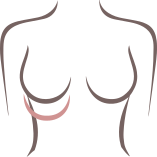


Dr Isolde Hertess assesses breast asymmetry for patients and can explain what may be contributing to the difference, what surgical options may be suitable (including breast asymmetry surgery on the Gold Coast), and what limits exist based on anatomy and tissue quality.
What Causes Breast Asymmetry?
Breast asymmetry can happen for many reasons, and it is often present from breast development during puberty. It can also become more noticeable later due to changes in tissue and skin.
Common causes may include:
- Natural differences in breast development
- Differences in breast base width or chest wall shape
- Differences in nipple and areola position
- Pregnancy and breastfeeding changes
- Weight changes
- Ageing and skin changes over time
- Previous breast surgery, including implants or reduction
- Trauma or previous infection, in selected cases
In some situations, a breast lump or medical condition can also change breast shape. If there is a new change in breast appearance, pain, or a new lump, medical assessment and appropriate imaging may be recommended.
How Breast Asymmetry Is Assessed
Assessment usually looks at more than size. Dr Isolde Hertess will consider:
- Breast volume and overall shape
- Breast base width and breast fold position
- Nipple and areola size and position
- Skin quality and stretch
- Differences in rib cage or chest wall shape
- Any history of previous breast surgery or breastfeeding
Measurements and clinical photos may be used for planning. In some cases, 3D imaging may also be used to help plan a suitable approach, especially when implants are being considered.
Surgical Options for Breast Asymmetry Correction
The most suitable option depends on what is causing the difference between the sides. In some patients, the main difference is volume. In others, it is breast position, skin laxity, or nipple position. It is also common for more than one factor to be involved, which is why breast asymmetry correction treatment is often customised and sometimes different techniques are used on each side.
Options that may be discussed include:
Breast Augmentation Mammoplasty
If one breast has less volume, implants may be discussed to increase volume. Some patients may need breast augmentation surgery which involves placing implants on both sides, with different sizes, to address asymmetry. Implant choice and placement are based on your chest width, tissue thickness, and skin quality.
Breast Lift (Mastopexy)
If the main difference is breast position or nipple position, a breast lift may be discussed. A lift reshapes breast tissue and can reposition the nipple and areola. In some cases, a lift is done on one side only, while in other cases, both sides are addressed.
Breast Reduction or Shaping
If one breast is larger, a breast reduction or reshaping procedure may be recommended. This surgical procedure can reduce volume and adjust shape. Reduction techniques often include lifting and repositioning the nipple and areola, depending on the plan.
Implant Removal and Replacement
If you already have implants and asymmetry has developed over time, implant exchange or breast implant revision may be considered. This may involve pocket adjustment, changing implant size or placement, or other steps to address your specific breast asymmetry correction needs.
Fat Transfer to the Breast
Fat transfer may be discussed when the volume difference is small or when small shape adjustments are being considered. The volume change is usually modest, and more than one session may be considered because some of the transferred fat is absorbed during healing after the breast correction surgery on the Gold Coast.
Nipple and Areola Surgery
If the main difference is in nipple or areola size or shape, nipple reduction or areola reshaping may be discussed. This type of breast asymmetry surgery involves scars and carries risks related to healing and sensation, and this should be covered clearly during planning.
Combination Approaches
In many cases, addressing breast asymmetry with correction surgery on the Gold Coast involves more than one technique, such as a lift with an implant or a reduction on one side with a lift on the other. The exact approach depends on your anatomy and what can be done safely.
It is also important to understand that perfect symmetry is not realistic. Surgery focuses on increasing symmetry rather than making the breasts identical, because natural anatomy is rarely the same on both sides.
Planning Breast Asymmetry Correction Surgery With Dr Isolde Hertess on the Gold Coast
Planning starts with understanding what differences you notice and what you want to change. Dr Hertess will assess breast size, shape, breast fold position, nipple position, and skin quality, then explain what options are suitable and what limitations exist.
Planning also includes:
- Scarring and where scars are likely to be placed
- Recovery and time off work or exercise
- Risks that apply to your health and the planned technique
- Breast health history and whether imaging is recommended
- Any previous surgery details, if relevant
For patients on the Gold Coast, the consultation is the time to ensure you have clear information about what cosmetic breast surgery can address and what can still vary during healing.
More than 30 years of experience, Female support Dr Isolde Hertess – Plastic Surgeon
Offering a female perspective, with more than 30 years of experience in plastic and reconstructive surgery. Dr. Hertess is one of Australia’s most reputable plastic surgeons on the Gold Coast, dedicated to providing patients with information, support, and guidance to help them make informed decisions about their surgical options.

Recovery After Breast Asymmetry Gold Coast Surgery
Recovery depends on the procedure performed. Patients may experience swelling, bruising, and tightness in the early weeks. Activity is usually limited for a period, especially heavy lifting and higher-impact exercise, because it can affect healing.
Follow-up appointments allow healing to be reviewed and concerns to be addressed early. It is also normal for breast shape to settle gradually as swelling reduces, so the early appearance is not the final result.
Risks and Complications
Breast asymmetry correction has risks related to the type of procedure performed, as well as general surgical risks.
General surgical risks may include:
- Bleeding or haematoma
- Infection
- Fluid collection (seroma)
- Blood clots
- Wound healing problems
- Scarring that may be more noticeable than expected
- Anaesthetic risks
Procedure-specific risks may include:
- Changes in nipple or breast sensation
- Persistent asymmetry or new asymmetry over time
- Scar differences between sides
- Implant risks (If implants are used), including capsular contracture, movement, and rupture
- Delayed wound healing, especially when multiple procedures are combined
- The need for further surgery in the future
The risks that matter most depend on your anatomy, your health history, and the planned procedure, and they should be discussed clearly before any decision is made.