




View our gallery of past patient results
See our gallery of real patient results from past surgeries performed by Dr Isolde Hertess. Patient results should not be viewed as a reflection of results other patients may experience
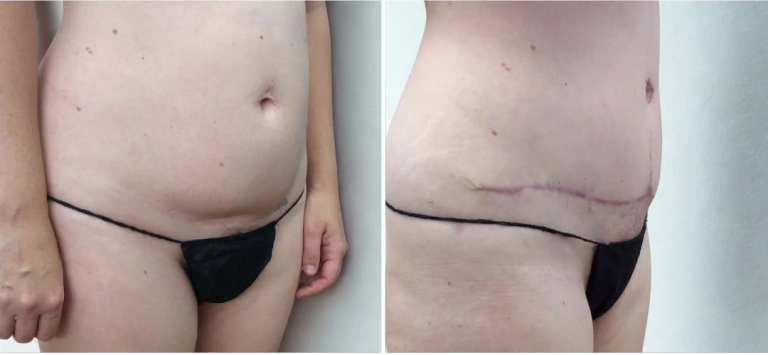
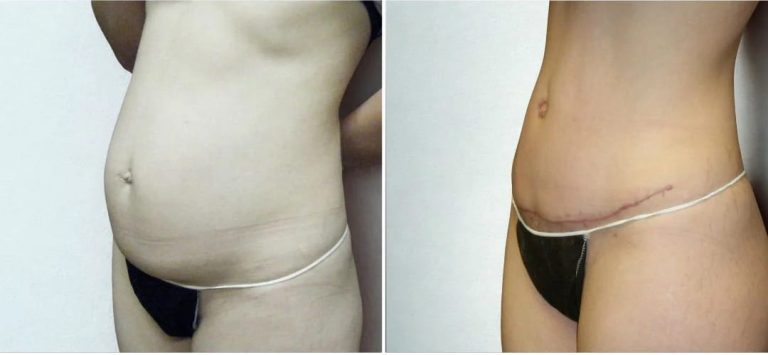
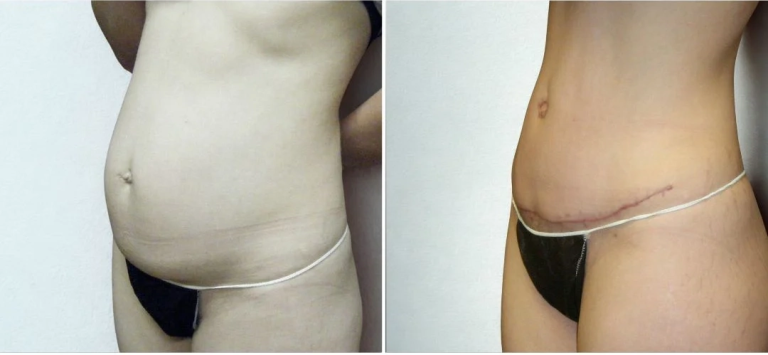
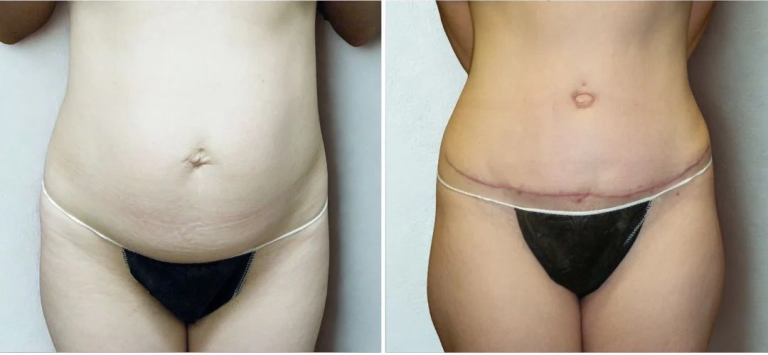
Disclaimer: The outcomes shown are only relevant for that patient and do not necessarily reflect the results other patients may experience. Results may vary due to many factors, including the individual’s genetics, diet, and exercise.
Dr Isolde Hertess performs abdominoplasty on the Gold Coast for suitable patients, with planning based on your anatomy, your health, and what can be done safely. The aim is to provide clear information about the procedure, including scars, recovery, and risks, so you can make an informed decision.
What Is Abdominoplasty?
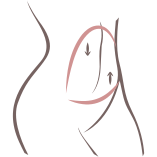
Abdominoplasty reshapes the abdomen by addressing excess lower abdominal skin and tissue. The surgery usually involves an incision across the lower abdomen, although the exact placement depends on your anatomy and the amount of skin that needs to be removed.
A Gold Coast tummy tuck may also include tightening of the abdominal wall. After pregnancy or weight change, the connective tissue between the abdominal muscles can stretch, and this can contribute to a “soft” or widened midsection even when weight is stable. Tightening can change support and abdominal shape, but results vary, and changes over time can still occur.
Who May Consider Abdominoplasty?
Gold Coast abdominoplasty may be considered by patients who have:
- Excess lower abdominal skin
- A change in abdominal contour after pregnancy
- Skin and tissue laxity after significant weight loss
- Abdominal wall weakness or separation that has been assessed clinically
- Persistent irritation or discomfort in skin folds, in selected cases
It is important to keep in mind that abdominoplasty is not a weight loss procedure. A stable weight is usually important for planning because ongoing weight changes can affect both healing and longer-term contour. If a further pregnancy is planned, it is worth discussing timing because pregnancy can stretch the tissues again.
Dr Isolde Hertess will assess suitability for abdominoplasty on the Gold Coast by considering your health history, your anatomy, and the safest approach for your situation.
Types of Abdominoplasty
The most suitable type of abdominoplasty depends on where the excess skin is located, the amount of tissue involved, and whether abdominal wall tightening is required. During consultation, options may be discussed, such as:
Full Abdominoplasty
A full abdominoplasty addresses the lower abdomen and usually involves repositioning the umbilicus (belly button). It may also include abdominal wall tightening if there is separation or laxity that can be safely addressed. This option is often considered when there is excess skin across the lower abdomen and a broader change in contour.
Mini Abdominoplasty
A mini abdominoplasty, or mini tummy tuck on the Gold Coast, is sometimes considered when excess skin is limited to the area below the belly button and when the upper abdomen does not require the same level of reshaping. Not all patients are suitable for a mini approach, and a careful assessment helps clarify what is realistic.
Extended Abdominoplasty
An extended approach may be discussed when excess skin and tissue extend further to the sides, beyond the central abdomen. This can involve a longer incision to allow a more comprehensive reshaping of the lower abdominal and side areas, depending on anatomy and tissue distribution.
Planning Abdominoplasty With Dr Isolde Hertess
Abdominoplasty planning is detailed because it involves both aesthetic and safety considerations. Dr Hertess will usually discuss the points below so you understand what surgery involves and what recovery can look like.
Scar Placement and Scarring
Abdominoplasty involves scars. The main scar is usually placed low across the abdomen, and a full abdominoplasty often includes a scar around the umbilicus. Scars can remain visible, and scar appearance varies between patients.
Abdominal Wall Tightening
If abdominal wall tightening is included, it will be explained in clear terms, including what it may change and what it may not change. Tightening can change abdominal shape, but it does not prevent future stretching from pregnancy or weight change, and results can vary.
Combining With Other Procedures
Some patients ask about combining procedures, such as abdominoplasty with breast surgery. This may be discussed in selected cases, but suitability depends on health factors, operative time, and safety. If combining procedures is not suitable, staging may be recommended.
Health Factors That Affect Healing
To ensure a safer procedure, it is important to provide a clear medical history, as certain factors can affect surgical planning. Smoking or vaping, in particular, increases the risk of complications such as problems with wound healing. Additionally, some pre-existing medical conditions, current medications, and any history of previous abdominal surgery must be considered.
Hospital and Anaesthetic
Abdominoplasty on the Gold Coast is usually performed under general anaesthesia in an accredited hospital setting. Planning also covers time away from work, activity limits during recovery, and follow-up care.
During consultation on the Gold Coast, Dr Hertess ensures patients have clear information about what surgery can address, what is likely to vary during healing, and what risks need to be considered.
Tummy Tuck Cost on the Gold Coast
The tummy tuck cost that Gold Coast patients are quoted varies depending on the type of abdominoplasty required, whether abdominal wall tightening is included, and hospital and anaesthetist fees. Because every patient’s anatomy and surgical plan is different, there is no single tummy tuck Gold Coast price that applies across the board.
During your consultation, Dr Hertess will assess your anatomy and the extent of surgery required, and a personalised quote reflecting your individual tummy tuck on the Gold Coast cost can then be provided. This ensures you have a clear understanding of what is included before deciding whether to proceed, rather than relying on a general estimate that may not reflect your specific surgical needs.
Patients researching tummy tuck cost Gold Coast options are encouraged to book a consultation rather than compare quotes based on procedure name alone, as a full abdominoplasty, mini abdominoplasty, and extended abdominoplasty each involve a different scope of surgery and therefore a different tummy tuck Gold Coast price.
Other Treatments With Dr Hertess
Abdominoplasty is one of several procedures offered by Dr Hertess, whose practice spans breast, body, and facial surgery. Patients considering a tummy tuck on the Gold Coast often go on to explore other areas, including breast surgery or arm lift surgery, particularly if addressing more than one area of concern following weight loss or pregnancy. As part of a broader body contouring plan, abdominoplasty can be discussed alongside these options during your consultation.
For patients wanting to address the appearance of a scar, whether from previous abdominal surgery or another procedure, scar removal may also be discussed. Patients interested in non-surgical skin improvements may wish to explore our laser treatment on the Gold Coast, while those considering facial procedures may also be interested in upper eyelid surgery.
As a plastic surgeon on the Gold Coast practice, Dr Hertess also supports patients in Far North Queensland, with regular visits to Cairns for those unable to travel to the Gold Coast.
More than 30 years of experience, Female support Dr Isolde Hertess – Plastic Surgeon
Offering a female perspective, with more than 30 years of experience in plastic and reconstructive surgery. Dr. Hertess is a plastic surgeon in Cairns and on the Gold Coast, dedicated to providing patients with information, support, and guidance to help them make informed decisions about their surgical options.

Recovery After Abdominoplasty
Recovery time varies from patient to patient and depends on the extent of surgery. Swelling, tightness, bruising, and tiredness are common early on, and you will be given aftercare instructions about activity limits while you heal. In addition, you will also be advised on time away from work, especially if your job is physical, and when you can return to lifting, exercise, and higher-intensity activity.
During recovery, you may be advised to do gentle walking to support circulation and to wear a compression garment if recommended. Follow-up appointments are important because they allow healing to be checked and advice to be adjusted. If drains are used, this will be explained before surgery, including how long they may stay in place and how to care for them. It is also normal to notice changes in sensation or numbness around the lower abdomen, and these can take time to settle as healing progresses.
Abdominoplasty Risks
All surgery carries risks, and abdominoplasty has risks related to wound healing, scarring, and larger areas of tissue movement. Results cannot be guaranteed, and revision surgery may be considered in some cases.
General surgical risks may include:
- Bleeding or haematoma
- Infection
- Fluid collection (seroma)
- Wound healing problems
- Blood clots
- Noticeable scarring
- Anaesthetic risks
Abdominoplasty-specific risks may include:
- Skin or tissue loss
- Delayed wound healing
- Changes in skin sensation
- Asymmetry
- Increased and prolonged swelling
- Ongoing discomfort that lasts longer than expected
- The need for further surgery in the future
Your individual risk profile depends on your health history, body composition, and the surgical plan, and these risks should be discussed in a way that is specific to you.